Modernisation of loading automation at a fuel tank farm
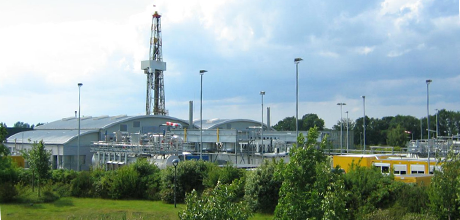
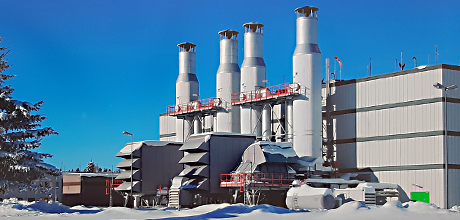
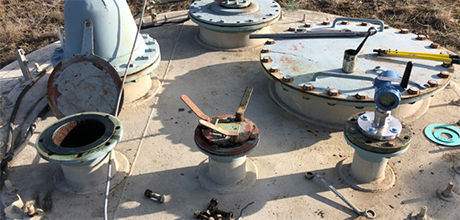
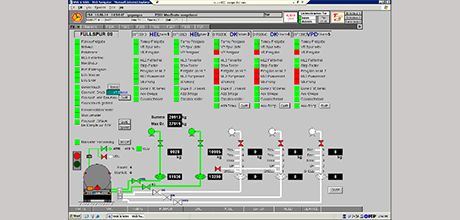
At a fuel tank farm, gat modernised the existing automation of road tanker loading, based on current technology and the customer’s requirements.

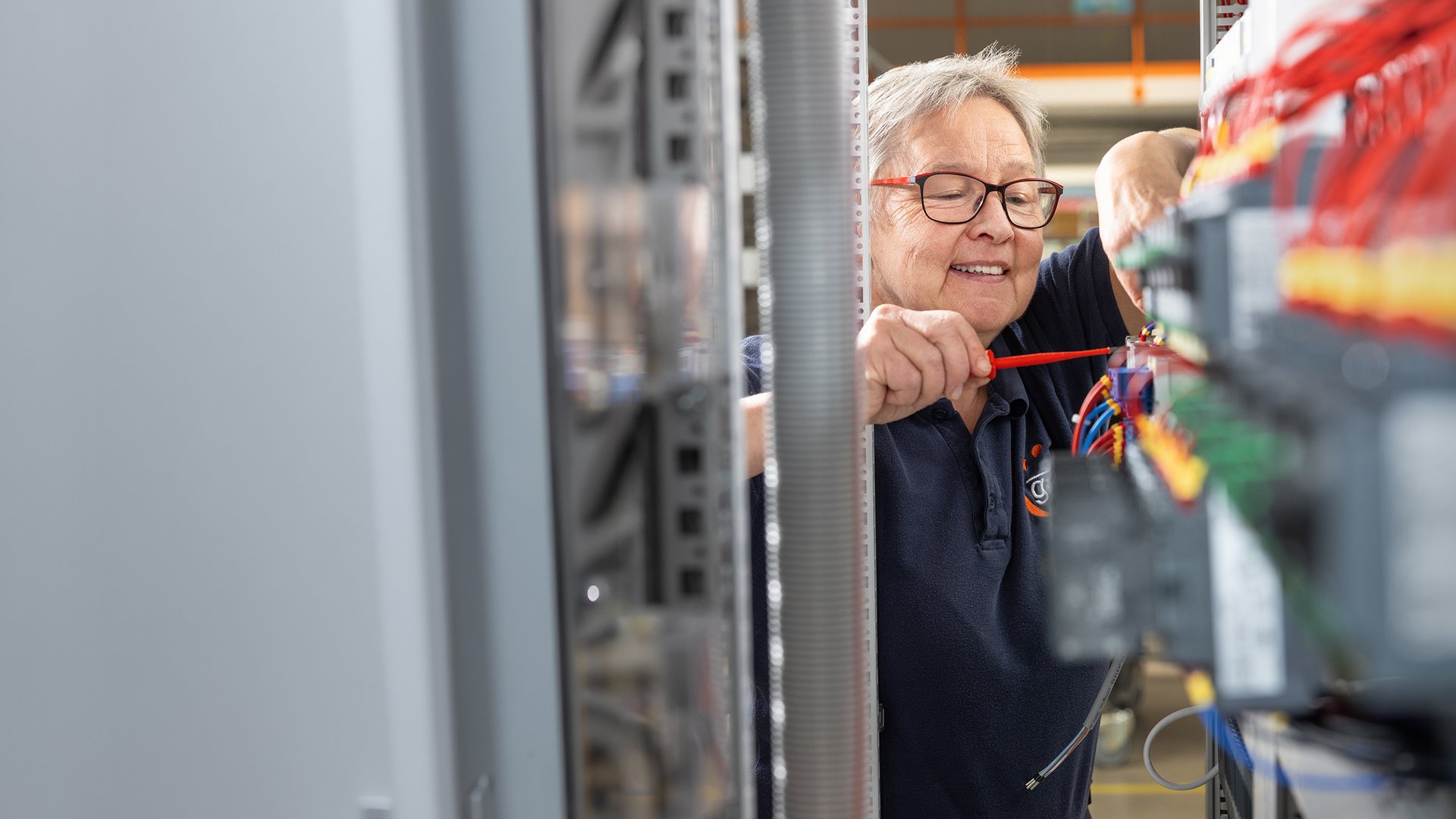
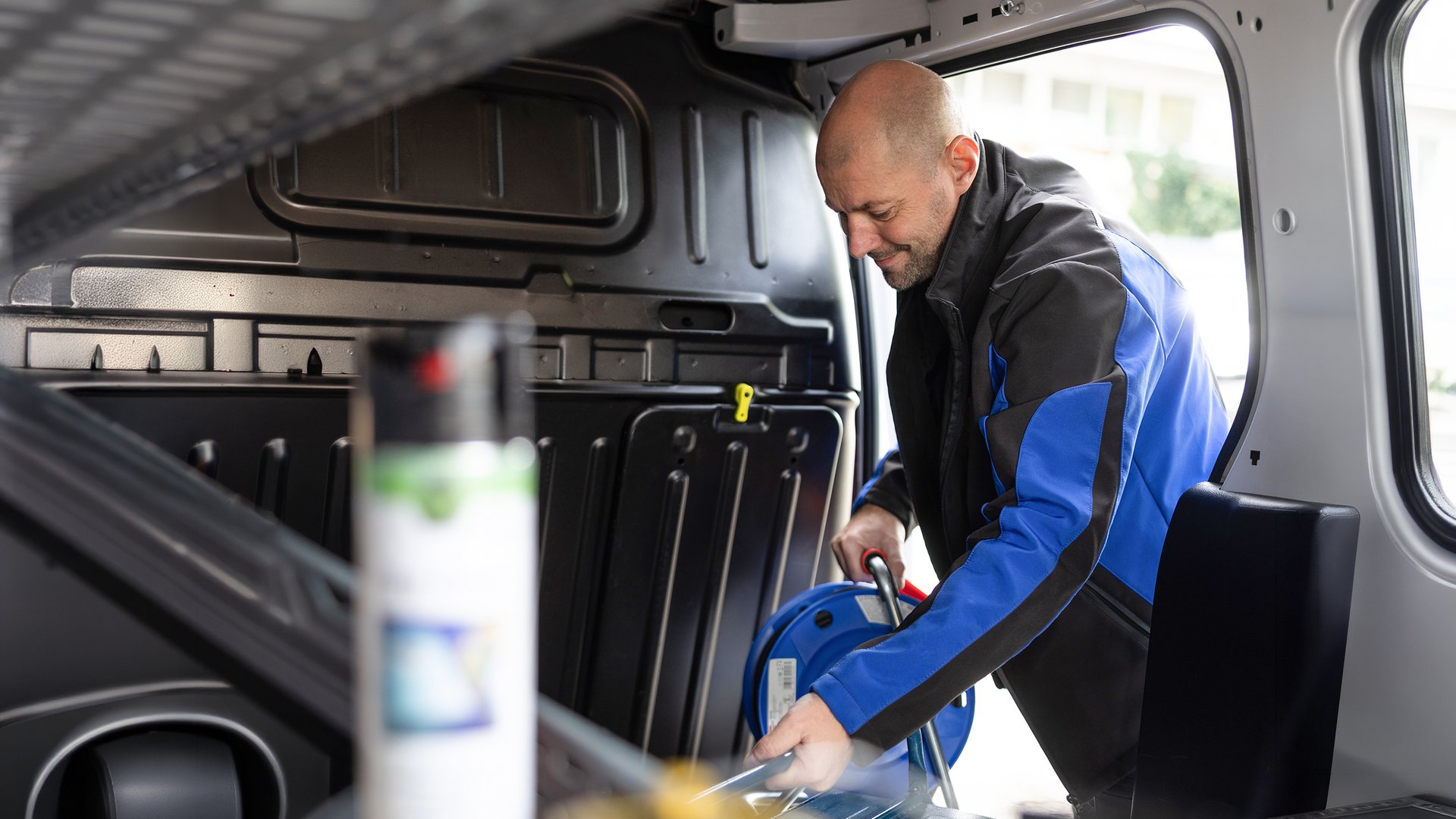
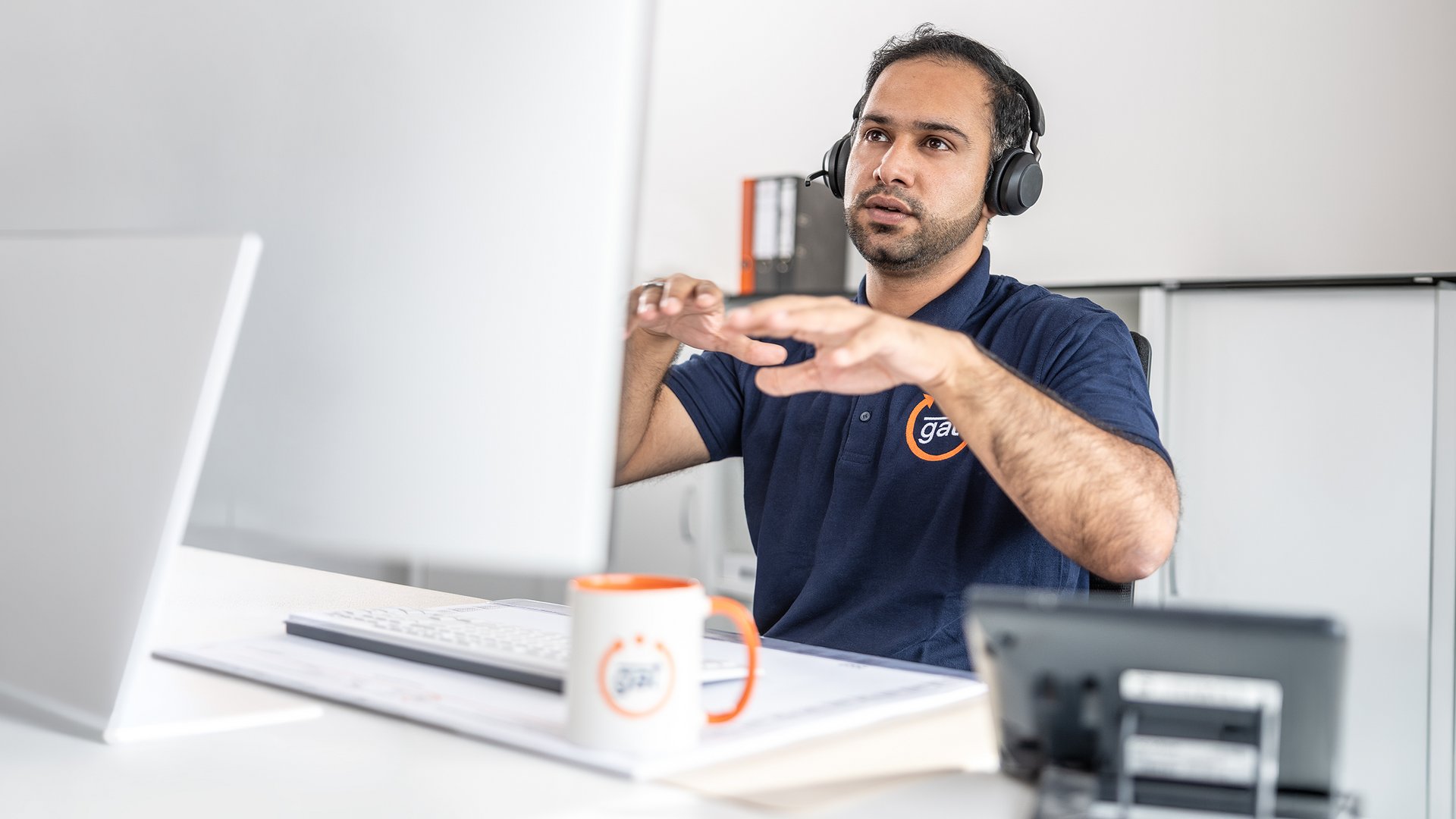
As your partner, we’re happy to handle service and maintenance in your name.
With our service label gat2care, we bring together almost 40 years of experience in automation technology and customer care: dependably fast availability, personal long-term support and expertise that spans your plant’s entire lifecycle.
And that holds true whether or not we engineered, built and installed your plant ourselves. Because we know: only when the plant is doing well are our customers doing well, too!
On site instead of on hold
Personal contacts help quickly, reliably and without red tape – on site just as readily as via remote support.
“Got it” instead of “What’s this about?”
Our service technicians know their way around. Lengthy briefings and explanations? Not needed!
Long-term solutions instead of reactive ones
Fixing the fault is far from all we do – it’s often the first step towards thinking your plant into the future.
From on-call service to spare parts-
management: that’s gat2care
Maintenance and inspection
Faults and on-call service
Repairs in the event of a fault, on site and via remote access
On request: remote maintenance systems for the control technology, with 24/7 on-call service
Automatic fault alarm forwarding
Fault messages go straight to our service team, and the control system prioritises them according to your specifications. Critical issues are spotted immediately and response times drop.
Modernisation and procurement
Updates and migration of control software, including hardware replacement where required
Retrofit and modernisation measures during planned shutdowns
Spare parts management and stockholding
Procurement for control technology and EI&C systems – to your specifications or our design, with an eye on lead times and cost-effectiveness
Commissioning for retrofits and commissioning support
Testing of signal paths from the field device through to the process control system
Parameterisation of sensors, actuators, frequency converters and switching devices
Checking the direction of action of actuators and the direction of rotation of drives
Initial testing of protective devices
Testing of automatic function sequences, including logging and documentation
Special field: process engineering support and service for ultrapure water systems
Consulting on planning and process design, on request with due regard to data security (cyber security)
Maintenance and servicing concepts as a basis for optimisation measures
Procurement of standard components and spare parts, with technical alternatives for greater efficiency where useful
Coordination of the various trades
Where does servicing end and service begin? The two aren’t always easy to separate. The good news: you don’t have to. At gat2care, exactly what goes into your maintenance or service contract is agreed individually.

If a plant is fundamentally sound, replacing it outright is rarely the first choice. What a retrofit during a planned shutdown can deliver.
Torsten Franke Managing Director and Head of the gat East branch
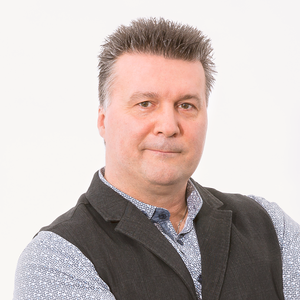
Ultrapure water, wastewater, pharma: how our Central branch takes on process engineering management – right from the design stage.
Steffen Wöllner Head of the gat Central branch
gat2care is the service label of gat GmbH (gat Gesellschaft für Automatisierungstechnik mbH) in Geesthacht, Germany. It brings together all of gat’s services in the lifecycle management of automation systems: servicing and maintenance of EI&C equipment, support for control and process control systems, recurring inspections, spare parts management and, on request, remote maintenance with 24/7 on-call service.
There is no flat rate: the cost of a maintenance contract depends on the size of the plant, the scope of services and the inspection intervals. At gat2care, what the contract covers is agreed individually – alongside recurring inspections, that might include software and firmware updates, fault response and remote support. It makes sense to cover scheduled inspection dates and short-notice contingencies in one and the same agreement.
Servicing (Wartung) means regular, preventive measures that are planned in advance and in part follow statutory requirements. Service, by contrast, is the unplanned response to an acute problem. Maintenance (Instandhaltung) is the umbrella term for both. In practice the boundaries are fluid – adding a service upgrade to an existing maintenance contract is nothing unusual at gat.
No. gat is a Siemens Solution Partner, a partner of Saia Burgess Controls and a qualified partner of B&R – but is fundamentally free in its choice of manufacturer. Plants that were not built by gat are serviced and migrated as well. What we need for that: the current circuit diagram, the P&ID, the current software, photos of the control cabinet and a description of the functions and sequence chains.
gat resolves many faults by remote maintenance, often at the very first contact. On request, a remote maintenance system with round-the-clock on-call service is part of the contract. On site, gat operates out of three branches: Geesthacht near Hamburg, Schwalbach am Taunus near Frankfurt and Hartmannsdorf near Chemnitz. The teams work together across all locations.
On request, gat takes over the procurement and stockholding of spare parts for a defined period; scope, storage period and remuneration are agreed individually. Critical components are also deliberately scheduled into shutdowns that are planned anyway. That way no additional downtime arises and supply stays secure.
If a plant is fundamentally sound, a retrofit is usually the more economical route: faster to implement than a new build, less resource-intensive than full replacement, and able to be slotted into planned shutdowns or maintenance cycles. Add to that greater energy efficiency, up-to-date control technology and a longer service life for the plant. According to a study commissioned by ABB, unplanned downtime costs German companies an average of EUR 147,000 per hour.
Yes. On request, gat acts in the plant builder’s name towards their customers. The customer relationship stays with the plant builder, who can extend their portfolio to include service and maintenance without building up a service team of their own.
You should allow around a year of lead time for a migration – including costing, budget approval and ordering. Drawing up the concept as a basis is usually feasible within three to four weeks; implementation takes anywhere from two weeks to several months, depending on scope. Depending on the size of the plant, a shutdown should be kept to between one and three weeks. The existing cabling usually does not have to be replaced – only if it is defective.
Yes. Specialists in commissioning engineering, I&C technology, software development and loop checking put your plant into operation: testing of the signal paths from the field device through to the process control system, parameterisation of sensors, actuators, frequency converters and switching devices, checking of the direction of action and the direction of rotation, initial testing of the protective devices and testing of the automatic function sequences. The functional test is logged and documented.
Yes. gat procures whatever is needed for the control technology and the EI&C system – to your specifications or to our own design, taking lead times and cost-effectiveness into account. On request, spare parts are stocked for an agreed period. Because procurement is coordinated with engineering, manufacturing and installation, there are fewer interfaces to manage.